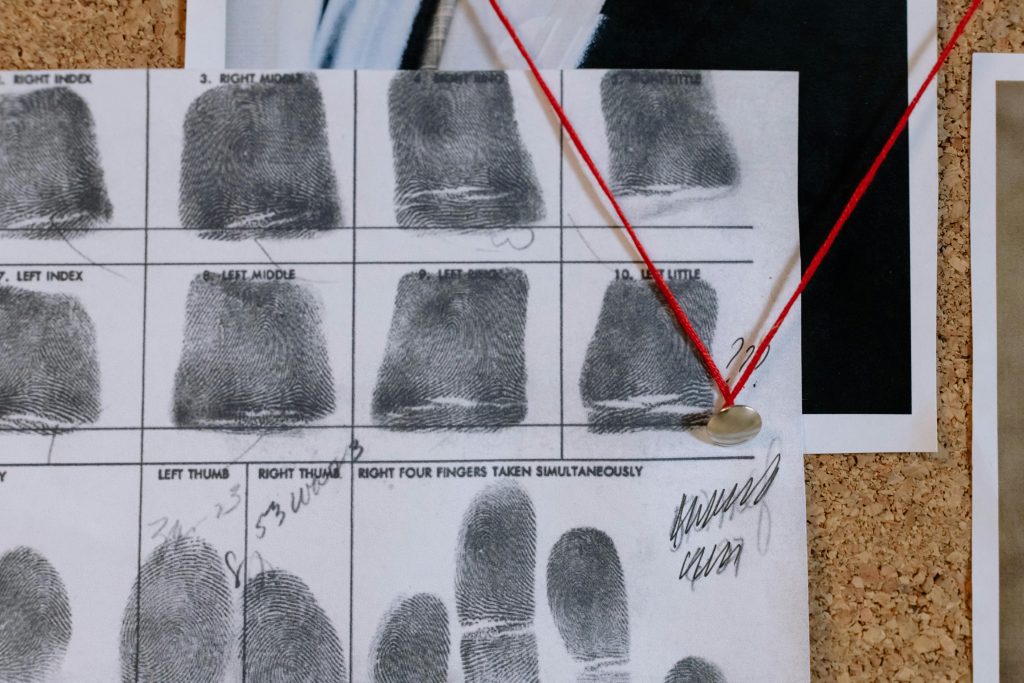
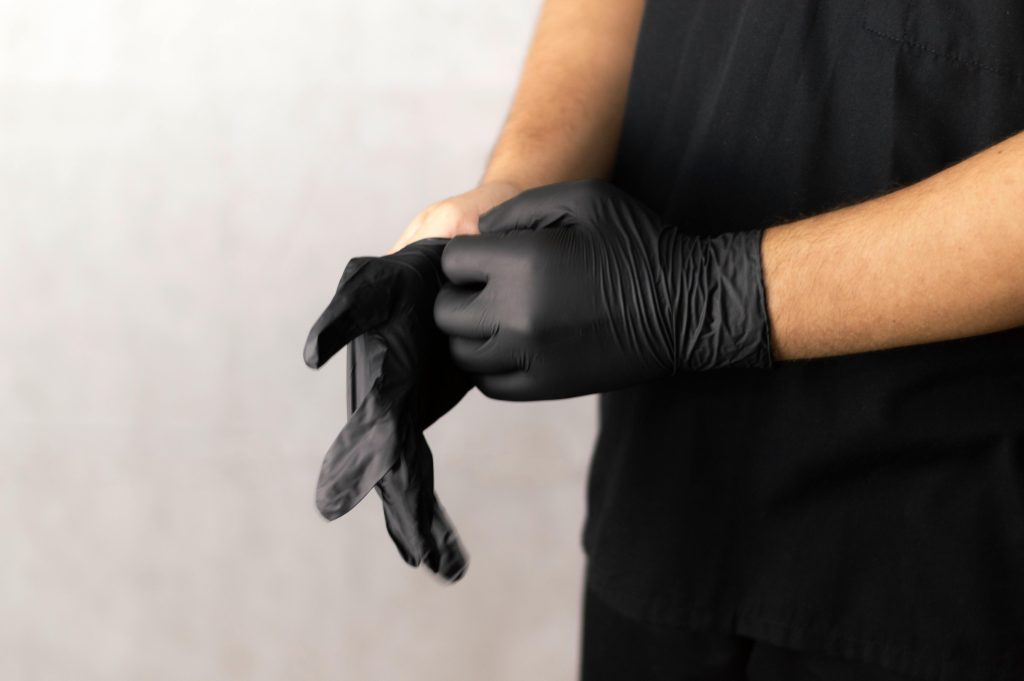
Fingerprint Evidence Isn’t What You Think: The Truth About Guilt in Court Leave a Comment / Evidence & Interpretation, Forensic Science / By Steven Olivotto A fingerprint at a crime scene sounds definitive.It feels definitive.To most people, it’s the end of the conversation.But here’s the problem:A fingerprint doesn’t prove someone committed a crime. Not even close.And once you understand why, you start to see how cases are actually built—and how they fall apart. The Question Nobody Asks When people hear that a fingerprint was found, they immediately jump to one conclusion:“They were there.”But the real question isn’t if someone touched something.It’s:When did they touch it?Because that answer doesn’t come with the print.A fingerprint has no timestamp. No context. No explanation.It doesn’t tell you:when it was leftwhy it was leftwhat was happening at the timeIt only tells you one thing:At some point, contact occurred.That’s it. What This Looks Like in the Real World Let’s make this practical.Imagine this:A burglary happens. Entry through a back door. Property missing.Investigators process the scene and recover a fingerprint from a drawer inside the house.That print comes back to someone.On paper, that sounds strong.But now you start asking the questions that actually matter:Has that person ever been in the house before?Did they know the homeowner?Could they have touched that drawer days, weeks, or months earlier?Is there anything else tying them to the crime?Because if the only thing you have is a fingerprint, you don’t have a complete story.You have a point of contact without context.And that’s a very different thing. Where Cases Start to Break This is the part most people never see.Fingerprint evidence doesn’t exist in isolation—it has to fit into a timeline.If it doesn’t, it weakens fast.A print on an object that was moved during a crime? That might matter.A print on something that hasn’t been touched in weeks? That might not.That distinction is everything.And it’s why courts don’t treat fingerprints as automatic proof of guilt.Because they’re not. The Flip Side Nobody Talks About Now here’s where it gets uncomfortable.People assume that if fingerprints prove guilt, then their absence must prove innocence.That’s wrong too.The absence of fingerprints doesn’t mean someone wasn’t there.It can mean:they wore glovesthey didn’t touch surfaces that retain printsenvironmental conditions prevented developmentthe prints were there, but not recoverableSo now you’re dealing with two realities that don’t sit well together:A fingerprint doesn’t prove guiltNo fingerprint doesn’t prove innocenceThat’s the actual landscape investigators and examiners operate in. Why Jurors Get This Wrong This gap between expectation and reality has a name:The CSI Effect.Jurors expect forensic evidence to:be definitivetell a complete storyeliminate uncertaintyBut that’s not how it works.In real cases, evidence is:partialcontextualdependent on interpretationAnd when jurors expect certainty, anything less can feel like doubt—even when it shouldn’t. What Fingerprint Evidence Actually Does So if fingerprints don’t prove guilt, what do they do?They do something much more specific—and much more limited.They:place a person in contact with a surfacepotentially connect individuals to objects or locationssupport or contradict other evidenceThat last part is key.Fingerprint evidence is strongest when it supports something else.Not when it stands alone. The Bigger Picture: Totality of Evidence This is where everything comes together.In court, no single piece of evidence decides a case.Not fingerprints. Not DNA. Not anything.What matters is the totality of the evidence.That includes:physical evidencewitness statementstimelinesbehaviorcorroborationA fingerprint might be one piece of that puzzle.But it’s never the whole picture. Why This Matters More Than You Think If you misunderstand what fingerprint evidence does, you misunderstand how cases work.And that leads to bad assumptions:“They found prints, so he must be guilty.”“There were no prints, so she must be innocent.”Neither of those statements holds up.Because evidence doesn’t determine guilt.Interpretation does. Context does. Everything together does. The Bottom Line Fingerprint evidence is powerful.But it’s not magic.It doesn’t reconstruct events. It doesn’t explain intent. It doesn’t tell a story on its own.It gives you a single data point:Contact.Everything else has to be built around it. What Comes Next Now that you understand what fingerprint evidence actually does, the next question is:Who gets to interpret it—and why should you trust them?Because not everyone in a courtroom is allowed to give an opinion.And the ones who are… can shape the outcome of a case.Next: What Makes Someone an Expert Witness (And Why It Matters More Than You Think)